

Getting Real Value from Your IT Providers: A Working Guide
Most third-party IT spend is not wasted on price. It is wasted on diffused accountability, weak SLAs, and unclear data hosting. A practical guide for owners on getting real value from your IT providers.

PERSISTENT VULNERABILITIES IN THE IT & OT CONVERGENCE
The most consequential IT and OT security incidents of the past two years did not originate from sophisticated exploits. They originated from three governance conditions present in the environment for months: ungoverned access, misclassified assets, and monitoring that stopped at the edge of one domain.

Quantum Computing: a Challenge to Cryptography
It is projected that in few years a quantum computers powerful enough to break widely used cryptographic protocols could become available.
The impact would be far-reaching. Encryption used in web browsers, email, messaging apps, VPNs, digital signatures, cryptocurrencies, and countless software systems would no longer be secure. Even symmetric encryption algorithms, such as the Advanced Encryption Standard (AES-256), would require significantly larger key sizes to maintain security against quantum attacks.
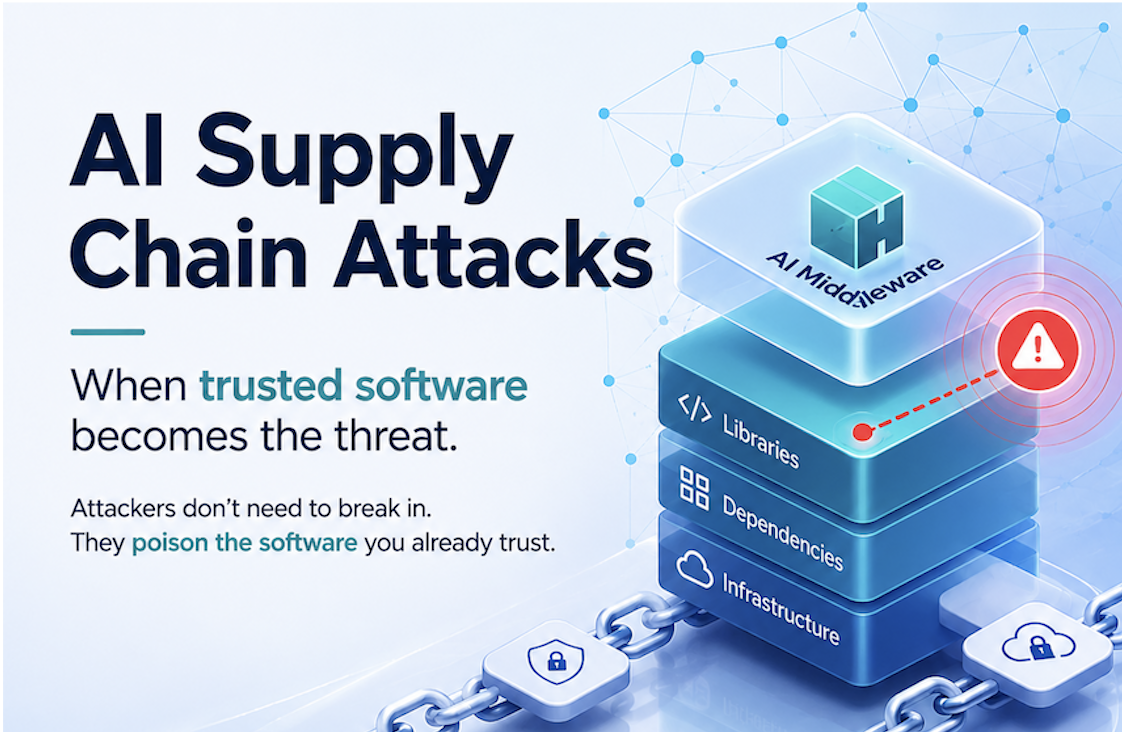
AI Supply Chain Attacks: The Threat Your Security Stack Wasn't Built For
Artificial Intelligence (AI) supply chain attacks can enter through trusted software dependencies, middleware, and automated updates, not just phishing or perimeter breaches. This article explains why the risk matters and outlines practical governance actions organizations can take, from Software Bill of Materials (SBOM) visibility to deployment controls, least-privilege credentials, and runtime monitoring.
Understanding SOC 2 Reports: A Foundation for Competing in Global Digital Services
A clear overview of SOC reports and when SOC 2 becomes essential. Learn how organizations in the Dominican Republic and across LATAM demonstrate digital trust and meet vendor due diligence expectations when working with U.S., Canadian, and global clients.
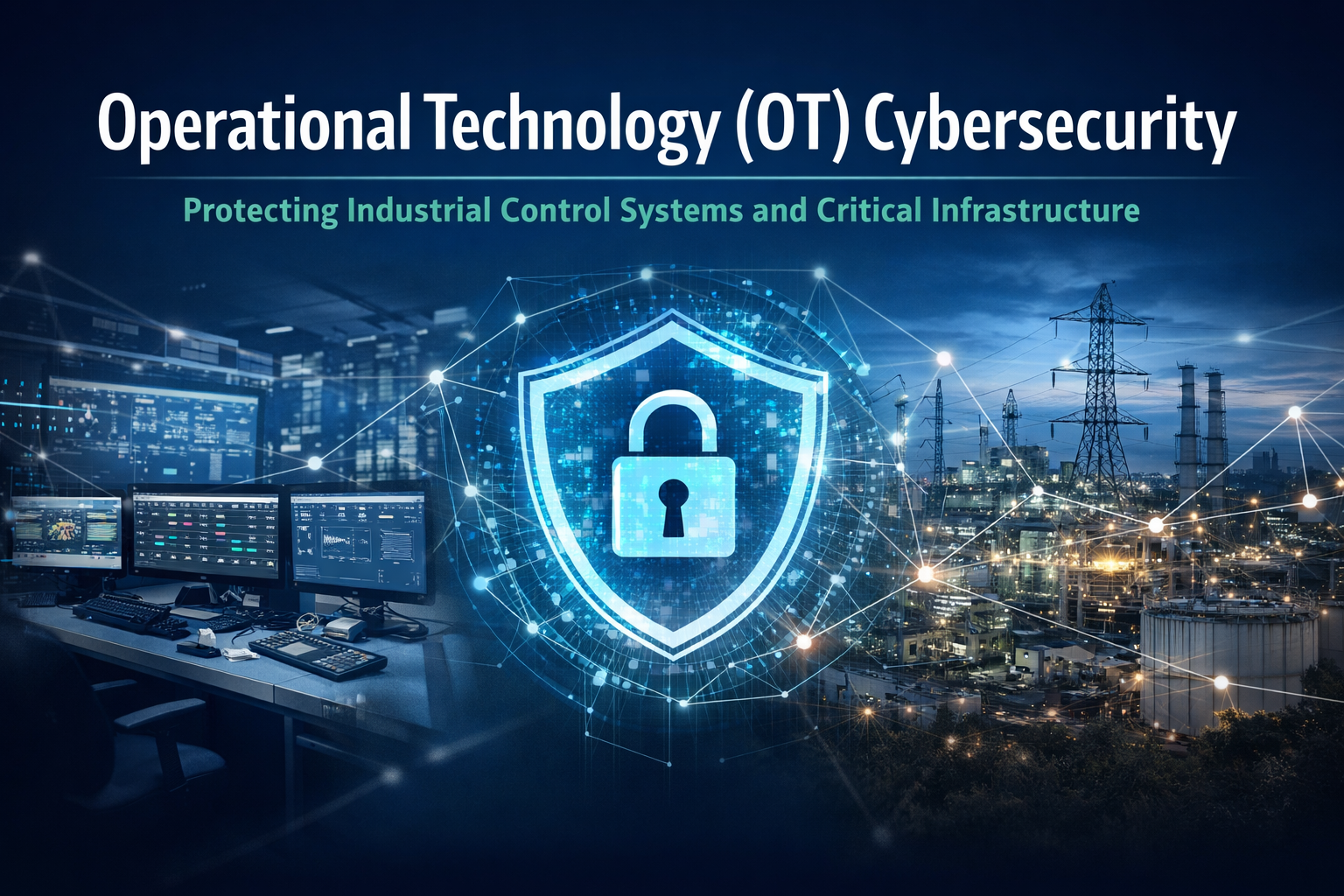
Video | SANS Institute Explains: Why ICS/OT Requires Specialized Cyber Training
Understanding the Difference Between IT and OT Cybersecurity
Operational Technology (OT) systems control the physical infrastructure that societies depend on — from utilities and manufacturing to energy and transportation. As these systems become increasingly connected, they are also becoming prime targets for cyberattacks. Understanding the differences between traditional IT security and OT/ICS cybersecurity is essential for organizations seeking to protect critical infrastructure and strengthen operational resilience.
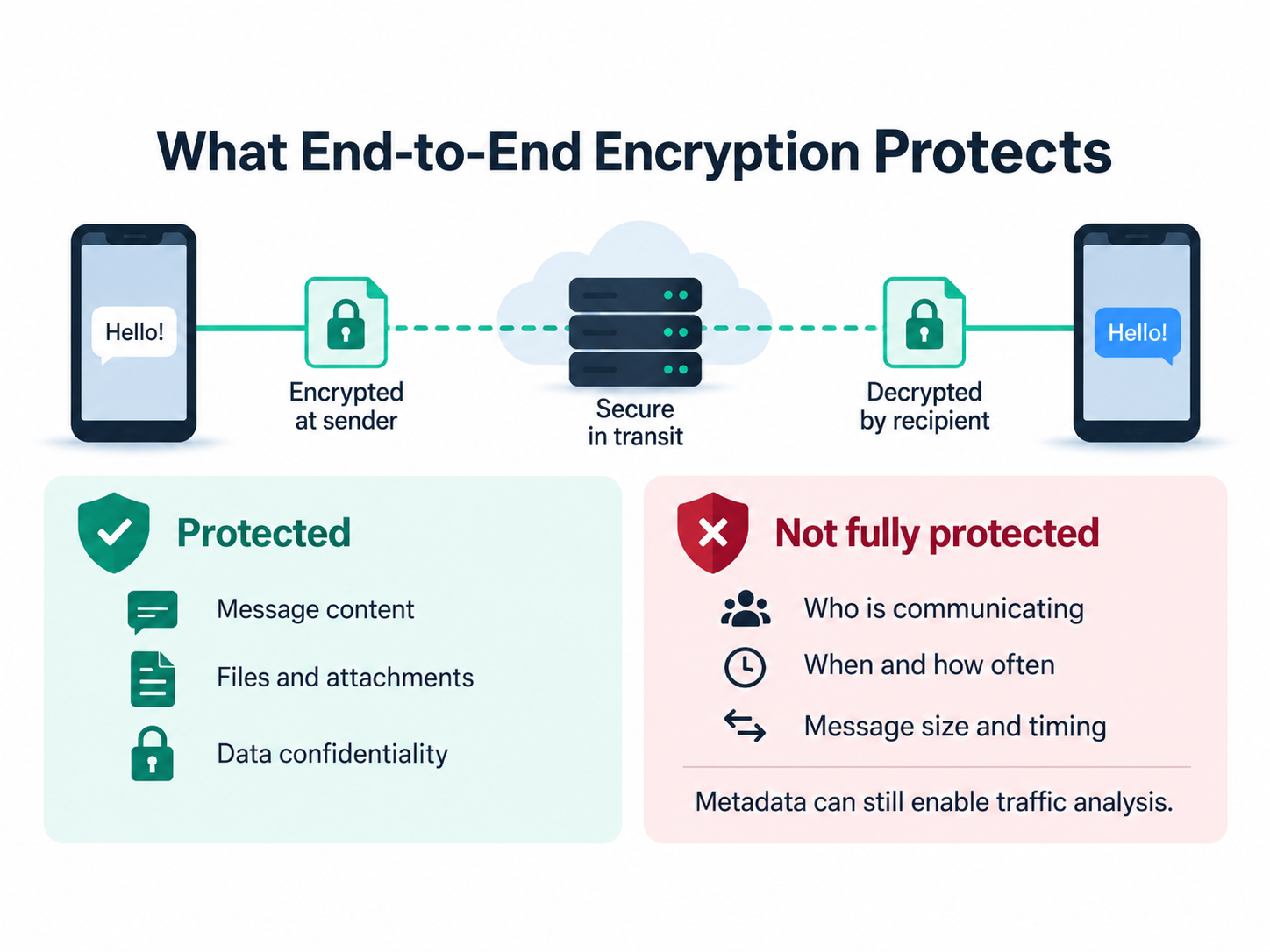
Deciphering End-to-End Encryption (E2EE)
End-to-End Encryption (E2EE) is a foundational cybersecurity control used to protect sensitive data and confidential communications. It ensures that information is encrypted from the moment it is sent until it reaches its intended recipient. However, E2EE does not fully eliminate risk. Critical metadata—such as who is communicating, when, and how frequently—may remain exposed, creating potential compliance, privacy, and security concerns for organizations.

Managing the Access Cycle
Access controls consist of a series of measures designed to ensure that the right person/device has the right access to digital and physical assets.

Fuel Fraud Prevention in Mining Operations
Fuel fraud in mining manifests in various forms, including theft, misreporting, unauthorized usage, and supplier collusion. Insiders may siphon fuel for personal gain, while external fraudsters exploit weak oversight in fuel procurement or distribution. The financial impact can be staggering, eroding margins and disrupting operations.
Effective controls from procurement to payment are essential to optimize resources utilizations and achieve operational objectives within the estimated budged.
Readiness Redefined: Embedding Cyber Preparedness into Organizational DNA
In today’s digital landscape, preparedness is the cornerstone of cybersecurity resilience. As organizations increasingly rely on interconnected systems and cloud-based services, the risk of cyberattacks grows in both frequency and sophistication. Yet, many businesses remain underprepared—lacking the tested strategies and infrastructure needed to respond effectively when threats materialize.

Navigate IT Audits Like a Pro
Audit fatigue diminishes the value pursued with the assurance process, creating misunderstanding among stakeholders. This greatly affects the way findings and recommendations are addressed.
The good news is that a great audit experience is possible by consciously articulate the goals of each group involved and set clear expectations.

Bridging Cybersecurity Gaps in Operational Technology
Cyberattacks targeting Operational Technology environments are becoming more sophisticated and deliberate. The protection of an Operational Technology/ Industrial Control System environment requires expertise beyond standard cybersecurity practice.
The Idaho National Lab’s Consequence-driven/ Cyber-informed Engineering Framework’s purpose is to protect critical infrastructure by combining engineering and cybersecurity controls with interdisciplinary collaboration.