Fuel Fraud Prevention in Mining Operations
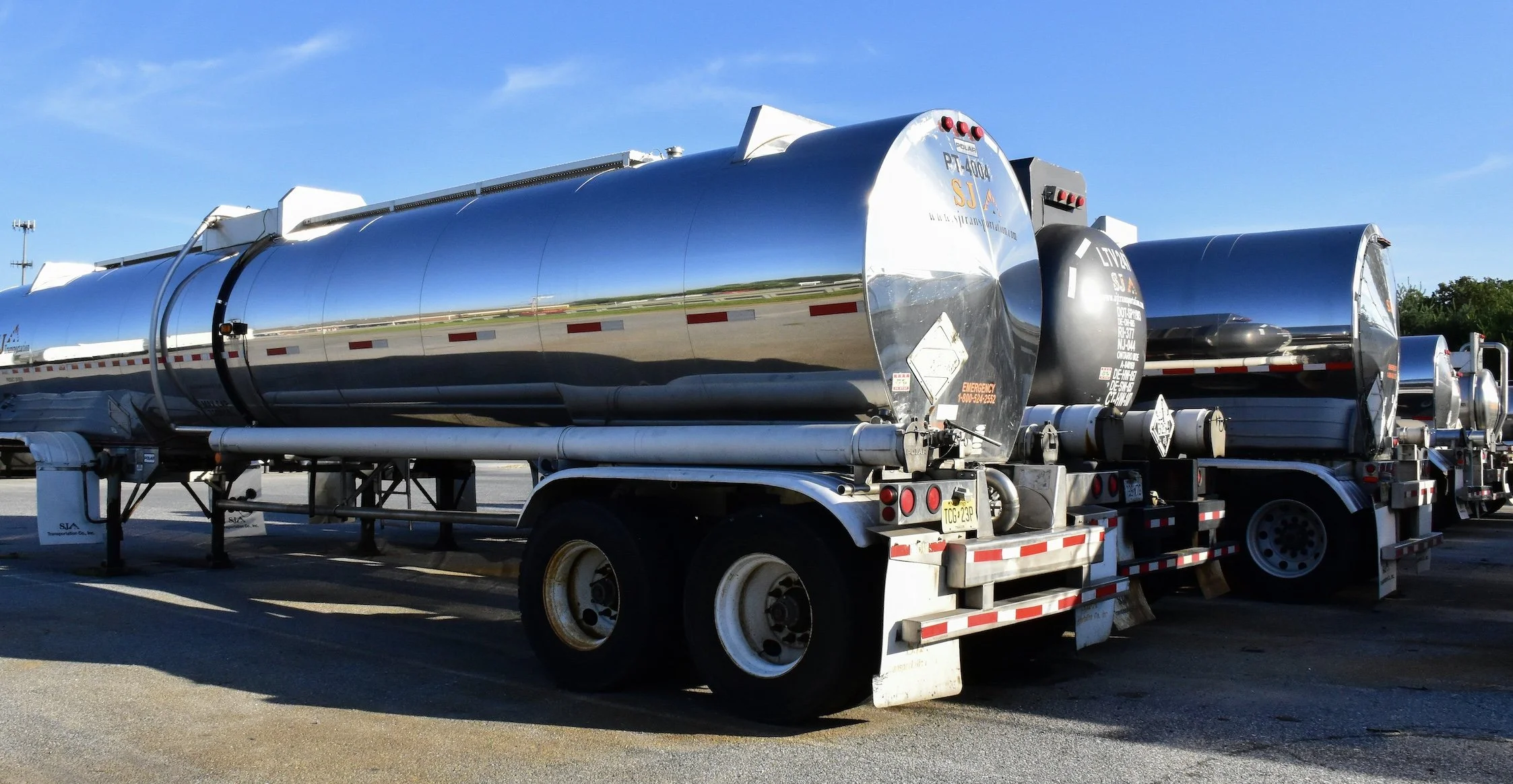
Fuel is the lifeblood of mining operations, powering everything from heavy machinery to transport. Due diligence from procurement, reception, dispatch, safeguarding, compliance with regulations, and payment is in order.
Fuel fraud in mining operations manifests in various forms, including theft, misreporting, unauthorized usage, and supplier collusion. Insiders may siphon fuel for personal gain, while external fraudsters exploit weak oversight in fuel procurement or distribution. The financial impact can be staggering, eroding margins and disrupting operations.
Each operation is particular, and may require a comprehensive fuel management risk assessment to properly identify, prioritize and implement a long term effective controls and strategy to prevent fraud. In our 10+ experience in mining the following controls almost apply 100% to most organizations.
Access Control
Only authorized staff should handle fuel. Use RFID, PINs, and geo-fencing to secure access. If fuel is running through internal pipes and monitored via an Industrial Control System (ICS), ensure an access framework is in place:
- Provisioning: Who gets access and why.
- Maintenance: Regular reviews and updates.
- Deprovisioning: Immediate removal when access is no longer needed.
Real-Time Monitoring
Combine GPS and telematics to eliminate blind spots. Every drop of fuel should be traceable.
Audit-Ready Records
Reconcile fuel logs, mileage, and vendor receipts—no exceptions.
Also, ensure that:
- Official purchase orders, receipts, and dispatch records exist (physically or digitally).
- A three-way match (PO, receipt, invoice) is performed before any payment is processed.
- Ensure that measurements are aligned with guidance issued by official bodies, according to each type of fuel.
Surprise Inspections
Routine checks are good, but random audits are better. They catch what others miss.
Accountability
Assign accountability for fuel used in each area responsible for procuring, receiving, dispatching and monitoring fuel across the operation. Define control points to discuss discrepancies and improvements.
Supplier selection and monitoring
Work only with vetted suppliers. Require sealed meters and verified deliveries.
Establish formal contracts with fuel suppliers that clearly define control expectations in the clauses.
- Review contracts annually.
- Track vendor performance to support future negotiations and provide feedback.
Staff Training
Everyone should understand the rules and their role in preventing fraud.
Whistleblower Support
Fraud thrives in silence. Create safe channels for reporting suspicious activity.
Inventory Reconciliation
Periodically measure physical fuel inventory and reconcile it with financial records to detect discrepancies early. Discuss the result of physical counting with external auditors and ask for feedback on the process.
Personnel Integrity & Role Rotation
Perform background checks on all personnel involved in fuel management. This extend to security personnel in charge of facilities access.
Rotate responsibilities periodically to reduce the risk of collusion or long-term manipulation.
Control implementation should be structured, organized, communicated, and aligned with other internal processes to avoid disruption, organizational noise that may jeopardize the pursued outcomes.
Want to learn more? Contact us for a 30-minutes free consultation to answer you most pressing question about optimizing Fuel Management Monitoring to prevent fraud and stay compliant with internal and external regulations.
©2025 S&H Management Consultants